Infertility can affect both men and women, and it is more common than many people realize. Before starting any fertility treatment such as IVF, doctors first focus on identifying the underlying causes. Proper evaluation helps ensure the right treatment plan is chosen for each patient. Medical centers like Liv Hospital provide detailed fertility assessments using advanced diagnostic tools and specialist care.
What Is IVF Causes and Evaluation?
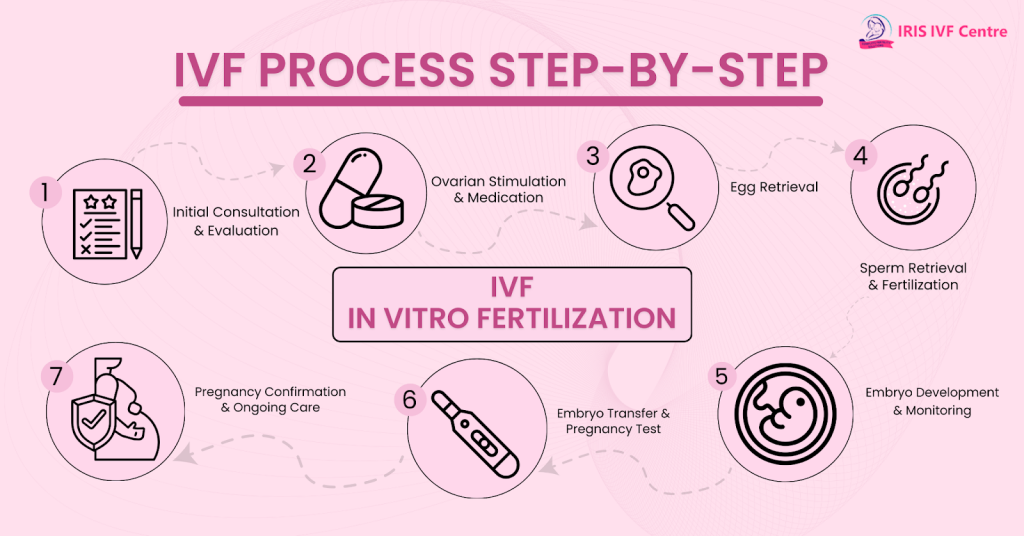
IVF (In Vitro Fertilization) is a treatment used when natural conception is difficult. However, before IVF begins, doctors conduct a full evaluation to understand why infertility is happening. This step is essential because it helps improve the chances of successful treatment.
Patients can learn more about IVF Causes and Evaluation to understand how fertility issues are identified and assessed before treatment.
Common Causes of Infertility
Infertility can result from several medical or lifestyle-related factors. In many cases, more than one factor may be involved.
Female-related causes
- Ovulation disorders
- Blocked or damaged fallopian tubes
- Endometriosis
- Hormonal imbalance
- Age-related fertility decline
Male-related causes
- Low sperm count
- Poor sperm movement
- Abnormal sperm shape
- Hormonal problems
- Lifestyle factors such as smoking or alcohol use
Combined or unexplained causes
Sometimes both partners contribute to fertility issues, or no clear cause is found even after testing. This is called unexplained infertility.
Why Fertility Evaluation Is Important
A proper evaluation is the foundation of effective IVF treatment. Without understanding the root cause, treatment may not be successful. Fertility evaluation helps doctors:
- Identify the exact cause of infertility
- Choose the right treatment approach
- Improve IVF success rates
- Avoid unnecessary procedures
What Happens During IVF Evaluation?
Fertility evaluation includes several tests and examinations for both partners.
Hormone Testing
Blood tests check hormone levels that affect ovulation and sperm production.
Ultrasound Examination
Ultrasounds are used to examine the uterus and ovaries for any abnormalities.
Semen Analysis
This test evaluates sperm count, movement, and quality.
Tubal Assessment
Doctors check whether fallopian tubes are open and functioning properly.
Medical History Review
Lifestyle, past illnesses, and reproductive history are carefully reviewed.
Lifestyle and Fertility Health
Lifestyle choices can significantly impact fertility. Doctors often recommend:
- Eating a balanced diet
- Maintaining a healthy weight
- Avoiding smoking and alcohol
- Managing stress
- Regular physical activity
These changes can improve overall reproductive health and support treatment success.
Role of Expert Care in IVF Success
Accurate diagnosis and expert medical care play a major role in IVF outcomes. Clinics like Liv Hospital provide advanced testing, personalized treatment plans, and continuous patient support throughout the fertility journey.
Final Thoughts
Understanding IVF Causes and Evaluation is the first and most important step in fertility treatment. Proper diagnosis helps doctors design effective treatment plans and improves the chances of success.
With the right medical guidance and support, many couples can take confident steps toward achieving their dream of parenthood.